

 See My Latest Article on HelloNation
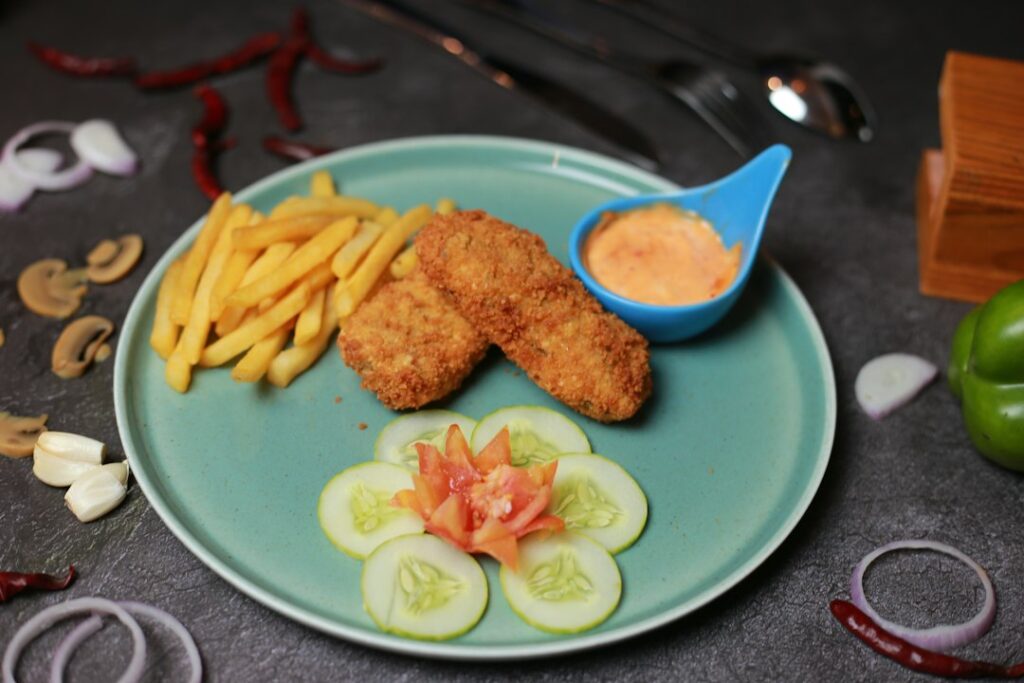
Fried seafood can look similar on a plate, but the preparation style affects its texture, flavor, moisture, and even how well it holds up during travel. In Myrtle Beach, SC, diners commonly encounter several distinct approaches, from lightly dusted fish to heavily breaded shrimp and crisp cornmeal-coated oysters.
Knowing the difference makes it easier to understand a menu, choose the texture you prefer, and recognize why two fried seafood dishes may taste completely different even when both are described as “fried.”
What are the main fried seafood preparation styles?
The most common styles are flour-dusted, cornmeal-coated, breaded, battered, and panko-crusted seafood. Each coating creates a different balance between the seafood itself and the fried exterior.
Flour-dusted seafood
A flour-dusted preparation uses a thin layer of seasoned flour. The seafood is usually lightly coated just before frying, creating a delicate crust rather than a thick shell.
This method is often used for:
- Flounder fillets
- Small whole fish
- Calamari
- Scallops
- Shrimp
- Thin white-fleshed fish
The finished texture is lightly crisp, with more of the seafood’s natural flavor coming through. Flour-dusted seafood can become soft quickly if covered tightly after frying because trapped steam loosens the coating.
Cornmeal-coated seafood
Cornmeal creates a more textured, rustic crust. It may be used alone or combined with flour, salt, pepper, paprika, garlic, or other seasonings.
Cornmeal coatings are especially common with fish fillets and oysters. Fine cornmeal produces a relatively smooth crust, while a coarser grind gives the exterior a more pronounced crunch.
This style is often preferred by diners who want a crisp, slightly grainy bite without the thickness of a wet batter. The coating can also provide a mild toasted flavor that works well with lean fish.
Traditional breading
Breaded seafood usually involves a sequence of flour, an egg-based liquid, and breadcrumbs. The coating is thicker and more structured than a simple flour dusting.
Breadcrumbs may be fine, medium, or seasoned. Fine crumbs create a compact crust, while larger crumbs create more surface texture. Breaded seafood generally has a firm bite and a noticeable separation between the crisp exterior and tender interior.
This preparation is common for shrimp, fish portions, crab cakes, and seafood cut into uniform pieces. Because the coating is more substantial, breaded seafood often stays crisp slightly longer than lightly floured seafood, although it can still soften under steam.
How is battered seafood different from breaded seafood?
Battered seafood is dipped into a wet mixture before frying, while breaded seafood is coated with dry crumbs. The difference affects both appearance and texture.
Batter commonly contains flour and liquid, with some versions including eggs, cornmeal, baking powder, or seasoning. A thin batter creates a delicate, lacy crust. A thicker batter forms a puffed, substantial shell around the seafood.
Battered fish often has:
- A smoother exterior
- A more even golden color
- A thicker coating
- A softer interior texture inside the crust
- More variation in crispness as steam escapes
Breaded seafood has a rougher surface because of the crumbs. It tends to feel more textured and substantial when bitten.
Neither style is automatically better. A thin batter may suit someone who wants a lighter coating, while a thicker breading may appeal to someone who enjoys a pronounced crunch.
What is panko, and how does it compare with regular breadcrumbs?
Panko is a coarse, airy breadcrumb that usually creates a lighter, more irregular crust than fine breadcrumbs. Its larger flakes leave small spaces in the coating, which can produce a crisp texture without making the exterior feel as dense.
Panko is frequently used for:
- Shrimp
- Fish portions
- Scallops
- Crab cakes
- Calamari
Regular breadcrumbs create a tighter, more uniform surface. Panko tends to create sharper crunch and more visible texture. However, panko does not guarantee a crisp result. Oil temperature, moisture in the seafood, and holding time matter just as much.
If seafood is covered immediately after frying, steam can soften any coating, including panko.
Why does oil temperature matter so much?

Oil temperature controls how quickly the coating sets and how much oil the seafood absorbs. If the oil is too cool, the coating may become greasy and pale before the seafood finishes cooking. If it is too hot, the exterior can darken before the center is properly cooked.
Many fried seafood preparations are cooked in oil around 350°F to 375°F, although the ideal temperature varies with the size and type of seafood. Smaller shrimp and thin fillets cook quickly, while thick portions require more time.
A properly fried piece should have a coating that is crisp without tasting oily. The seafood inside should be moist and fully cooked, not dry or rubbery.
At home, a kitchen thermometer is more reliable than judging oil temperature by appearance alone. In a restaurant setting, consistency depends on maintaining the oil, avoiding overcrowded fryers, and removing excess moisture from the seafood before coating.
How do different seafood types respond to frying?
The seafood itself is just as important as the coating.
White fish: Lean fish such as flounder and other mild varieties usually work well with flour, cornmeal, or thin batter. Their delicate flesh can dry out if the portion is overcooked.
Shrimp: Shrimp can be lightly floured, breaded, battered, or coated with panko. They cook quickly, so a thick crust may brown before the center is ready if the pieces are large.
Oysters: Oysters are often lightly floured, cornmeal-coated, or breaded. Their natural moisture creates a contrast between a crisp exterior and a soft, briny center.
Calamari: Calamari is commonly lightly floured or battered. Timing is critical because brief frying keeps it tender, while prolonged cooking can make it chewy.
Scallops: Scallops are often lightly floured or breaded. Their high moisture content can cause splattering, so thorough draining and careful handling are necessary.
Does “lightly fried” always mean healthier?
Not necessarily. “Lightly fried” usually describes the thickness of the coating, not the total fat content or calorie level. A thin coating can still absorb oil if the cooking temperature is too low or the seafood is held in oil for too long.
A thicker coating may absorb less oil when it sets quickly in properly heated oil, but it adds more flour or crumbs. Portion size, side dishes, sauces, and preparation details all affect the overall meal.
For diners trying to choose a lighter option, useful questions include:
- Is the seafood lightly dusted, battered, or breaded?
- Is the coating thick or thin?
- Is sauce served separately?
- Is the seafood fried in a shared fryer?
- Are the portions small pieces or large fillets?
The phrase “fried seafood” covers a wide range of preparations, so the coating description gives more useful information than the word “fried” alone.
What does a shared fryer mean for seafood?
A shared fryer may be used for seafood along with other foods. This can affect people with shellfish allergies or those who avoid certain ingredients for religious, dietary, or personal reasons.
Shared oil can also influence flavor. Seafood cooked in oil that has been used for strongly seasoned foods may pick up subtle odors. Oil quality and filtration affect taste as well; oil that is old or heavily used may produce darker, heavier, or stale-tasting coatings.
In a restaurant, diners with food allergies should ask specific questions about shared oil, preparation surfaces, utensils, and batter ingredients. A separate fryer may reduce cross-contact, but kitchen practices vary.
How can fried seafood stay crisp?
Crispness depends on controlling moisture from the beginning to the end of cooking. Seafood should be well drained, coatings should adhere evenly, and the fryer should not be overcrowded.
After frying, placing seafood on a rack allows air to circulate underneath. A flat absorbent surface can remove excess oil, but it may also trap steam against the bottom if the food sits there too long.
For takeout or transport, vented packaging generally preserves texture better than tightly sealed containers. This is particularly useful in a humid coastal climate, where warm food can soften quickly as condensation forms.
The best preparation style ultimately depends on the desired experience: a light flour dusting highlights the seafood, cornmeal adds rustic crunch, breading creates a firm crust, batter provides a smooth shell, and panko delivers a more open, irregular crispness. Understanding those differences makes menu descriptions easier to interpret and helps explain why fried seafood can vary so widely from one preparation to another.