

 See My Latest Article on HelloNation
What does “Calabash-style” seafood mean?
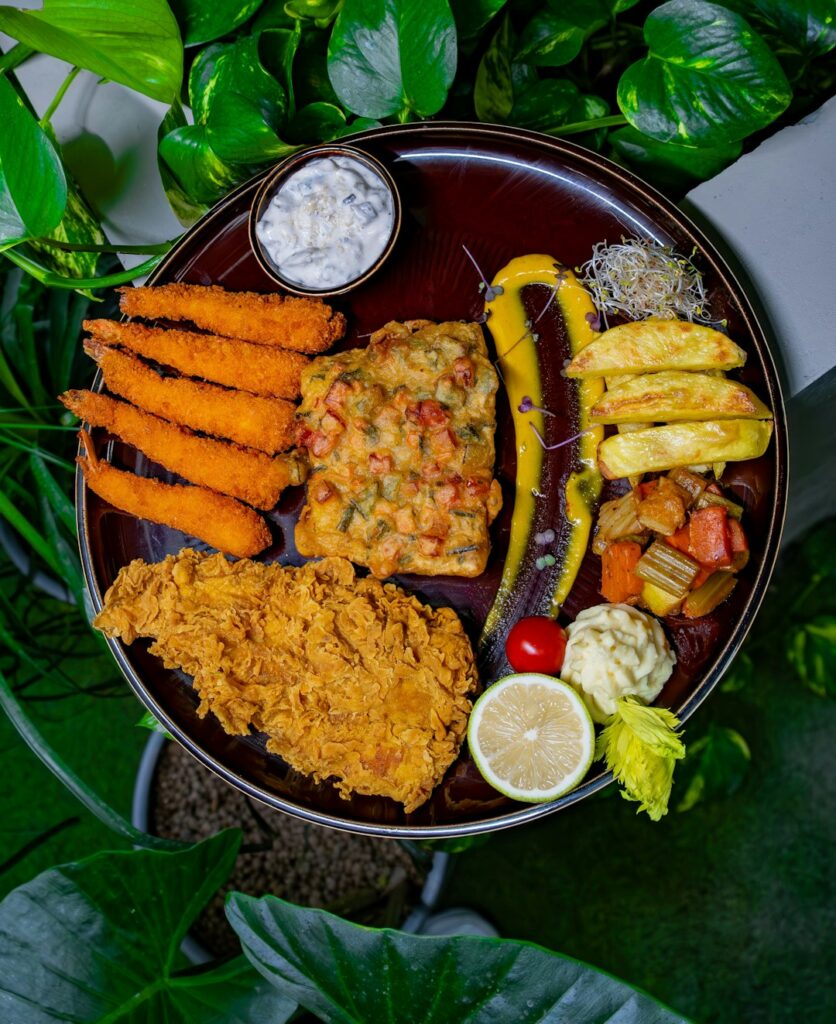
Calabash-style seafood generally refers to a broad selection of seafood that is lightly coated, quickly fried, and served in generous portions with familiar Southern side dishes. The coating is usually thinner and less heavily seasoned than a thick beer batter, allowing the flavor of shrimp, fish, oysters, scallops, or clam strips to remain noticeable.
In Myrtle Beach, the term is often used for seafood platters, fried seafood buffets, and combination meals. It describes a regional tradition and serving style rather than a single standardized recipe. Two kitchens may both use the label while differing in their breading, seasoning, frying temperature, portion sizes, and choice of seafood.
The name is associated with a small coastal fishing community whose family-run seafood restaurants helped popularize the approach during the twentieth century. As coastal travel increased, the style became familiar throughout the surrounding region, including the Grand Strand area.
How is the seafood usually prepared?
The traditional process is relatively simple: seafood is cleaned, lightly dredged or dipped, and fried until the exterior is crisp. Cornmeal, flour, or a mixture of both may be used. Some kitchens add seasonings such as salt, pepper, paprika, garlic, or a mild seafood blend.
The desired texture is important. Properly prepared seafood should have:
- A thin, crisp exterior
- Moist, tender seafood inside
- Little excess grease
- A coating that does not overwhelm delicate fish or shellfish
- Separate pieces rather than a dense, heavily battered mass
Shrimp may be peeled and deveined before frying. Fish is often cut into manageable portions. Oysters, scallops, and clam strips may be fried separately because they cook at different speeds.
Freshness matters, but freshness alone does not guarantee a good result. Seafood can become dry if overcooked, greasy if the oil temperature is too low, or dark and bitter if the oil is overheated or heavily used.
Which foods are commonly included?
A typical platter may combine several types of seafood rather than focusing on one species. Common choices include shrimp, flounder or another mild white fish, oysters, scallops, and clam strips.
Availability can change with seasons, weather, supply, and market conditions. That means a menu may use different fish or shellfish at different times of year. The phrase “fresh seafood” does not necessarily mean every item was caught locally that same day. It more accurately suggests that the product has been handled and stored appropriately before preparation.
Many traditional meals also include:
- French fries
- Coleslaw
- Hush puppies
- Lemon wedges
- Tartar sauce or cocktail sauce
- Vinegar-based or creamy dipping sauces
These sides are part of the regional dining pattern. Hush puppies provide a lightly sweet, fried cornmeal accompaniment, while coleslaw adds coolness and acidity to a rich meal. Lemon juice can brighten fried seafood without masking its flavor.
Why is this style especially common in Myrtle Beach?
The tradition fits the area’s coastal lifestyle and seasonal dining patterns. Seafood restaurants serve a mix of local residents, second-home households, and visitors seeking familiar regional food. Large platters and buffet formats make it easy for groups to choose different seafood without ordering separate meals.
Warm weather also supports outdoor and casual dining habits for much of the year. Fried seafood travels reasonably well for takeout, although crispness declines as steam collects inside a closed container. For the best texture at home, fried items should be transferred from tightly sealed packaging to a loosely covered plate and eaten soon after arrival.
The style also reflects the area’s connection to working waterfronts, commercial fishing, roadside seafood stands, and family dining rooms. It is less formal than a plated fine-dining preparation and more focused on abundance, familiarity, and shared meals.
Is Calabash-style seafood the same as fish and chips?
No. Both may involve fried seafood, but the techniques and traditions are different.
Fish and chips typically feature a substantial batter surrounding a piece of fish, often served with fried potatoes. Calabash-style meals more commonly include a light breading and several kinds of seafood on one platter. The seafood pieces are usually smaller, and the meal often includes hush puppies and coleslaw.

The labels can overlap in casual restaurant language, particularly when a menu offers fried fish alongside other fried items. Asking whether the seafood is lightly breaded, cornmeal-coated, or beer-battered can clarify what to expect.
Does “Calabash-style” mean all-you-can-eat?
Not necessarily. The term describes preparation and regional tradition, not a required pricing or serving arrangement.
Some restaurants serve individual baskets or combination platters. Others offer buffet meals or unlimited portions. A buffet may include fried seafood, but it can also include non-seafood items such as chicken, vegetables, rice, or pasta.
For diners comparing menus, it helps to separate three questions:
- Is the seafood lightly breaded or heavily battered?
- Is the meal individually portioned or buffet-style?
- Are drinks, sides, sauces, or refills included in the listed price?
Those details often affect the experience more than the label itself.
How can diners judge quality?
Visual appearance provides useful clues. Fried seafood should generally look golden rather than very dark, and the coating should cling to the food without appearing thick or soggy. Excessive oil pooling on the plate may indicate poor draining or low frying temperature.
Texture is another practical measure. Shrimp should be firm but not rubbery. Fish should separate easily with a fork. Scallops and oysters should remain tender inside. A strong stale-oil smell, excessively salty coating, or uniformly hard texture may suggest that the frying process was not well controlled.
Portion size should not be confused with quality. A large platter can be enjoyable, but well-prepared seafood depends more on correct cooking time, clean handling, and balanced seasoning than on volume.
What should local residents consider during hot weather?
Seafood requires careful temperature control, especially during warm and humid conditions. Takeout meals should not sit in a parked vehicle for extended periods. Refrigerate leftovers promptly, and reheat fried seafood in an oven, toaster oven, or air fryer when possible. Microwaving tends to soften the coating.
People with allergies should ask about shared fryers. Shrimp, oysters, fish, and other shellfish may be cooked in the same oil, and even small traces can matter for someone with a serious allergy.
Raw or undercooked seafood also presents different food-safety concerns from fried seafood. Frying thoroughly reduces many risks, but safe handling before cooking remains essential. Clean preparation surfaces, proper refrigeration, and avoiding cross-contamination are important in both restaurants and home kitchens.
What makes the tradition endure?
Calabash-style seafood remains popular because it combines coastal ingredients with an approachable Southern format. It offers variety, familiar side dishes, and a meal structure that works for families and groups with different preferences.
For residents, it is also part of the area’s food vocabulary. Ordering a mixed platter or lightly breaded seafood connects everyday dining with the broader history of fishing communities, coastal tourism, and regional cooking. The tradition continues to change, but its central idea remains recognizable: simply prepared seafood, fried with a light coating, served generously, and enjoyed in a casual setting.