

 See My Latest Article on HelloNation
What makes Calabash-style shrimp different?
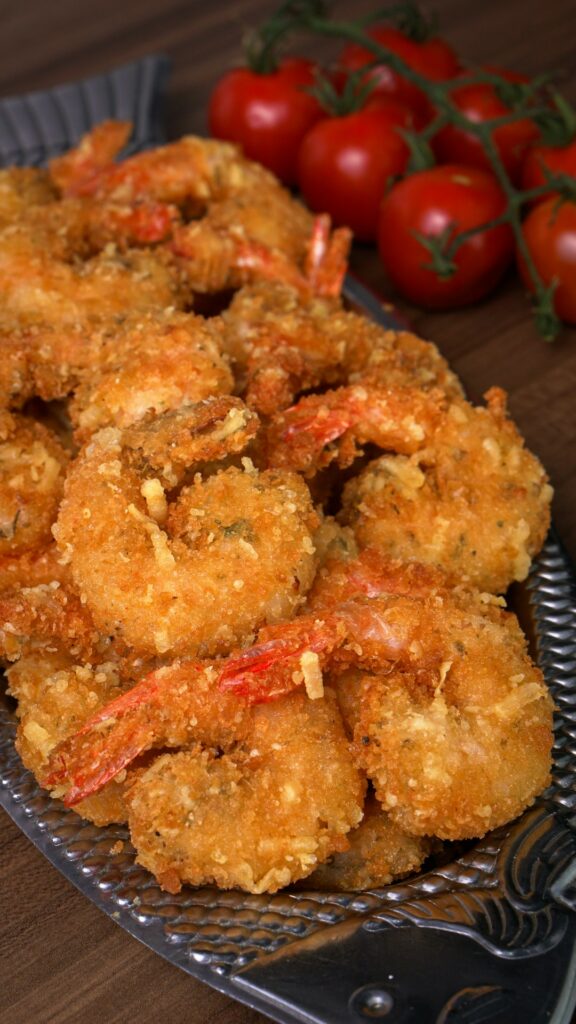
Myrtle Beach, SC diners usually recognize Calabash-style shrimp by three features: small or medium shrimp, a thin seasoned coating, and a quick fry that produces a delicate crunch rather than a thick crust.
The style is less about a single recipe than a recognizable seafood tradition. Preparation can vary from one kitchen to another, but the goal is generally the same: keep the shrimp tender, lightly coated, and easy to eat by the basketful.
Unlike heavily breaded fried shrimp, Calabash-style shrimp allows more of the seafood’s natural flavor to come through. The coating adds texture and seasoning without becoming the main ingredient.
Why are the shrimp often smaller?
Small shrimp are closely associated with the traditional style because they cook quickly and work well in large, casual portions. Their size also makes them suitable for combination platters with fried fish, oysters, scallops, or other seafood.
Smaller shrimp are not automatically better or fresher than larger shrimp. Size mainly affects the eating experience:
- Small shrimp provide more pieces per serving and a higher coating-to-seafood balance.
- Medium shrimp offer a slightly meatier bite while still fitting the traditional format.
- Large shrimp are less typical because they require longer cooking and are often treated as a more prominent entrée item.
The familiar Calabash experience usually involves several modest-sized shrimp rather than a few oversized pieces arranged as a centerpiece.
Is Calabash shrimp battered or breaded?
It can be either, depending on the kitchen, but the coating is usually light. Some preparations use a thin wet batter, while others use seasoned flour, corn flour, or a fine breading mixture. The finished surface should generally feel crisp and delicate instead of thick, hard, or heavily layered.
This distinction matters because “fried shrimp” can describe many different preparations. A thick, crunchy coating may be enjoyable, but it does not necessarily fit the lighter coastal profile associated with Calabash-style seafood.
A well-executed version often has:
- A thin, even coating
- Small bubbles or a fine crumb texture
- A golden color rather than a dark, over-fried surface
- Tender shrimp inside
- Little grease pooling on the plate
The coating should cling to the shrimp without overwhelming it.
What does the seasoning taste like?
Calabash-style shrimp is usually seasoned for broad appeal rather than intense heat. Salt, pepper, paprika, garlic, and other mild spices may be present, but the seafood itself remains central.
The flavor often comes from several modest elements working together:
1. Mild seasoning in the coating
2. Natural sweetness from the shrimp
3. Clean frying oil
4. A crisp outer texture
5. Dips or condiments served separately
Tartar sauce, cocktail sauce, lemon, vinegar-based sauces, and hot sauce may accompany the meal, but they are generally additions rather than part of the defining preparation.
That separation is useful. It lets diners decide whether they want a bright, tangy, creamy, or spicy finish without changing the basic character of the shrimp.
How did the style become associated with the coast?
Calabash-style seafood grew from simple coastal fish-camp cooking and became known for lightly fried seafood served in generous, informal portions. The name became widely used beyond its original community as the style spread through coastal dining culture.
Its popularity is easy to understand in a beach-oriented region. Fried seafood is practical for busy dining rooms, family meals, seasonal crowds, and combination platters. The method also works across many types of seafood, making it possible to serve shrimp alongside fish, oysters, clams, scallops, and crab preparations.
In Myrtle Beach, the term is often used broadly. It may refer to a full seafood platter, a buffet format, or simply a light Southern-style fry rather than a strictly standardized recipe.
Is every dish labeled “Calabash” prepared the same way?
No. “Calabash-style” is a culinary description, not a protected formula with one universal ingredient list.

Differences may include:
- The size and species of shrimp
- Whether the shrimp are peeled completely or retain the tail
- Flour, cornmeal, or breadcrumb content
- The use of batter instead of dry breading
- Seasoning intensity
- Frying temperature and time
- Whether the shrimp are served alone or as part of a platter
For that reason, two meals carrying the same label can look and taste noticeably different. One may be very lightly coated, while another has a more visible cornmeal crust. Both may still be described as Calabash-style by local custom.
The most useful question is not whether a dish follows one official recipe. It is whether the shrimp deliver the expected balance of light coating, quick frying, and tender seafood.
What should properly cooked Calabash shrimp feel like?
The shrimp should be firm and springy but not rubbery. The coating should be crisp immediately after frying, with enough structure to hold its shape without becoming thick or tough.
Overcooked shrimp often curl tightly and develop a chewy texture. Shrimp that have absorbed too much oil may taste heavy and leave a greasy finish. A coating that separates from the seafood can indicate excess moisture, crowding in the fryer, or an uneven breading process.
Timing is especially important with small shrimp. They can go from properly cooked to overdone quickly, which is why the brief fry is central to the style.
Freshness also affects the result, but freshness alone does not guarantee good Calabash shrimp. Proper thawing, draining, seasoning, oil temperature, and cooking time all matter.
Why is the style so common in beach-area dining?
Calabash-style seafood fits the practical rhythm of coastal communities. It can be served quickly, shared easily, and adapted to different appetites. A family can order shrimp alone, combine it with fish, or choose a platter that includes several seafood varieties.
The format also suits seasonal dining patterns in Myrtle Beach. Warm-weather meals, family gatherings, vacation schedules, and casual evening dining all favor food that is recognizable, filling, and easy to share.
That does not mean every fried seafood meal in the area is Calabash-style. A heavily seasoned shrimp basket, beer-battered entrée, or large restaurant-style fried shrimp dish may be delicious but follow a different tradition.
What is the simplest way to recognize it?
Look for shrimp that are relatively small, lightly coated, quickly fried, and served as part of a casual seafood meal. The coating should provide a thin crunch while leaving the shrimp’s sweetness and tenderness noticeable.
The style’s appeal comes from restraint. Calabash shrimp is not designed to hide the seafood beneath a thick crust or elaborate sauce. Its defining qualities are straightforward preparation, modest seasoning, quick frying, and a generous coastal serving style.